
There are journeys you plan… and then there are journeys that call you.
Adi Kailash Dham Yatra 2026 is not just a mountain trip in Uttarakhand. It is a spiritual experience set in one of the most remote and untouched corners of the Indian Himalayas. Known as Chhota Kailash, Adi Kailash is believed to be a sacred replica of Mount Kailash in Tibet — the eternal home of Lord Shiva.
For many travelers — both Indian devotees and international spiritual seekers — this yatra offers a rare mix of divinity, adventure, raw nature, and now, even comfortable luxury travel options.
If you are planning Adi Kailash Yatra 2026, this complete guide will help you understand everything — from history and route details to travel tips and the sacred circuit.
About Adi Kailash Yatra
Adi Kailash Yatra is a sacred pilgrimage in the Kumaon region of Uttarakhand, close to the Indo-Nepal and Indo-Tibet borders. Unlike Mount Kailash in Tibet (which requires international permits and a physically demanding journey), Adi Kailash lies within India and is comparatively more accessible.
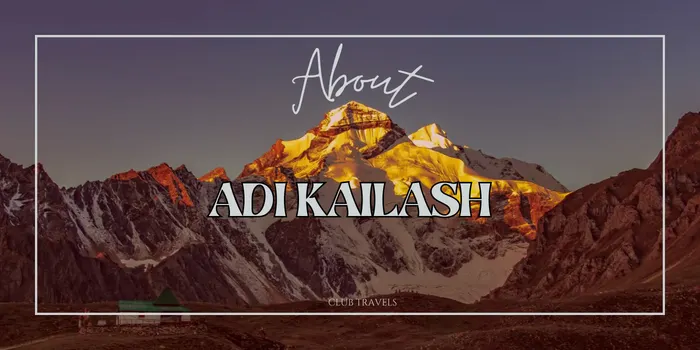
The journey takes you through:
- Dense Himalayan forests
- Traditional mountain villages
- Glacial rivers
- Snow-capped peaks
- High-altitude sacred lakes
In recent years, improved road connectivity has made the Adi Kailash Dham Yatra smoother. For 2026, both standard and luxury travel packages are expected to be available with better vehicles, comfortable stays, and organized itineraries.
Location of Adi Kailash
Adi Kailash is located in the Pithoragarh district of Uttarakhand, near the village of Jolingkong. The altitude is approximately 5,945 meters (19,505 feet).
Key nearby places:
- Dharchula
- Gunji
- Kuti Village
- Lipulekh Pass
This region falls under a restricted border area, so Indian and foreign nationals require proper permits to visit.
History of Adi Kailash
The story of Adi Kailash is deeply rooted in faith, oral traditions, and the spiritual culture of the Himalayas. Long before roads and vehicles reached this remote region of Uttarakhand, sages, pilgrims, and local communities considered this mountain a sacred presence.
In Hindu belief, Adi Kailash is regarded as one of the earthly abodes of Lord Shiva and Goddess Parvati. Devotees often describe it as a spiritual reflection of the mighty Mount Kailash in Tibet. Over time, as access to Mount Kailash became politically and geographically difficult, many believers felt that Lord Shiva revealed his divine energy here in the Indian Himalayas so that devotees could still seek his blessings without crossing international borders.
Unlike famous pilgrimage sites that have written temple records, the history of Adi Kailash has largely been preserved through oral storytelling. For generations, the Bhotiya community and other indigenous groups of Kumaon have safeguarded legends connected to Shiva, Parvati, and the sacred mountains near Jolingkong.For them, the mountain is not just a destination — it is a living deity.
Ancient sages are believed to have meditated in this region. The peaceful surroundings, high-altitude lakes like Parvati Sarovar, and the mystical atmosphere of Om Parvat have strengthened the spiritual aura of the area for centuries. Even today, many visitors describe a powerful silence here — something that feels untouched and timeless.
Historically, the region also played an important role beyond spirituality. The route leading to Adi Kailash passes near the old Indo-Tibetan trade corridor through Lipulekh Pass. For centuries, traders from India and Tibet crossed this high-altitude pass carrying salt, wool, spices, and other goods. Dharchula and nearby villages once thrived as trading hubs. The same paths that modern pilgrims now travel were once used by caravans of traders and local merchants.
This blend of mythology, meditation, and mountain trade routes makes the history of Adi Kailash unique. It is not a place built by kings or empires — it is a sacred landscape shaped by belief, endurance, and Himalayan culture.
Today, while better roads and organized yatras have made the journey more comfortable, the spiritual essence of Adi Kailash remains unchanged — silent, powerful, and deeply connected to Lord Shiva.
Significance of Visiting Adi Kailash
Why do people travel thousands of kilometers, cross winding Himalayan roads, and endure high altitudes just to stand before Adi Kailash?
Because this journey is not tourism — it is transformation.
For centuries, devotees have believed that Adi Kailash carries the same spiritual energy as Mount Kailash. While the original Kailash stands in Tibet, Adi Kailash in Uttarakhand is seen as a divine blessing for those who may not be able to undertake the Tibet pilgrimage.
Here’s why the yatra holds such deep meaning:
1. Liberation from Past Karma
Many pilgrims believe that visiting Adi Kailash helps cleanse past karmic burdens. The journey itself — long, quiet, and physically demanding — becomes a form of inner purification. By the time travelers reach the sacred peak, they often feel lighter, calmer, and spiritually renewed.
2. Darshan of Om Parvat
The sight of Om Parvat is considered highly auspicious. Snow naturally forms the sacred “Om” symbol on the mountain face — something devotees see as a divine sign rather than coincidence. Witnessing this rare phenomenon often becomes the most emotional moment of the entire yatra.
3. Spiritual Power of Parvati Lake
Parvati Lake (Parvati Sarovar) sits peacefully near the base of Adi Kailash. Pilgrims believe that offering prayers here purifies the soul. The crystal-clear water reflecting the mountain creates a powerful spiritual atmosphere that is hard to describe in words.
4. Meditation at Gauri Kund
Near the sacred sites lies Gauri Kund, a small but spiritually important water body associated with Goddess Parvati. Many travelers sit here in silence, meditate, or simply absorb the stillness of the Himalayas. The quietness at this altitude feels different — deeper and more personal.
For Foreign Travelers
For international visitors, Adi Kailash offers something rare — authentic Himalayan spirituality without commercial crowds. There are no big marketplaces, no loud tourist attractions. Just mountains, prayer flags, local villages, and ancient belief systems still alive in daily life.
It is a chance to experience India beyond the Golden Triangle — to witness devotion in its raw, untouched form.
For Indian Devotees
For many Indians, Adi Kailash is considered a powerful alternative to the Mount Kailash Yatra in Tibet. Not everyone can travel abroad for pilgrimage, but here in the Indian Himalayas, they can still seek Lord Shiva’s blessings in a sacred setting believed to hold equal divine energy.
In the end, the significance of Adi Kailash is not only religious.
It begins with silence.
It deepens into surrender.
And then, standing before a sacred mountain, something inside you quietly changes.
Adi Kailash Circuit
The Adi Kailash circuit includes several sacred and natural landmarks.
1. Om Parvat
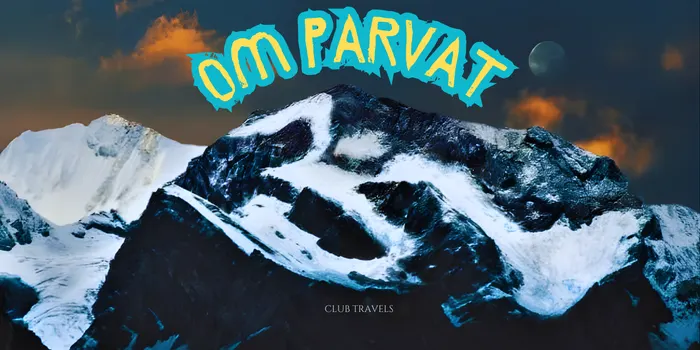
Om Parvat is one of the most spiritually fascinating peaks in the Indian Himalayas. Unlike other mountains known only for their height or trekking routes, Om Parvat is revered because of a rare natural snow formation that resembles the sacred Hindu symbol “ॐ (Om)” on its surface.
Key Information About Om Parvat
- Location: Near Dharchula in Pithoragarh district, Uttarakhand, close to the Indo-Nepal border
- Altitude: Approximately 6,191 meters (20,312 feet)
- Famous For: Natural snow pattern forming the sacred “Om” symbol
- Accessibility: Viewable from the Adi Kailash route; climbing is not permitted
- Permit Required: Inner Line Permit mandatory due to restricted border area
- Best Viewing Time: Early morning (sunrise) for clear visibility
Om Parvat is not carved, painted, or shaped by human hands. The sacred symbol appears naturally when snow settles in specific rock patterns on the mountain face. Devotees consider this a divine sign rather than a coincidence. In Hindu philosophy, “Om” represents the sound of the universe — the beginning of all creation. Seeing this symbol formed naturally on a Himalayan peak creates a powerful emotional impact.
At sunrise, the mountain glows softly as sunlight touches the white snow marking. Many pilgrims fall silent during this moment. Some offer prayers, while others simply stand in awe.
For Indian devotees, witnessing Om Parvat is considered highly auspicious and spiritually rewarding. For foreign travelers, it offers something unique — a rare blend of natural wonder and living faith, far away from commercial tourist destinations.
Om Parvat is not just a mountain to be seen. It is a sacred experience to be felt.
2. Parvati Lake (Parvati Sarovar)
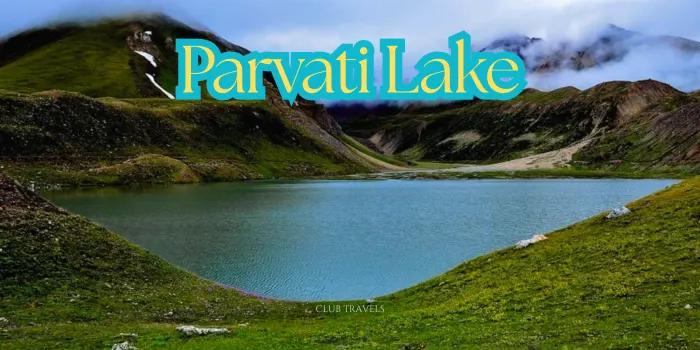
Parvati Lake, also known as Parvati Sarovar, is a serene high-altitude glacial lake located near the base of Adi Kailash in Uttarakhand. Surrounded by snow-covered peaks and untouched Himalayan landscapes, this sacred lake is one of the most peaceful spots on the entire Adi Kailash circuit.
Key Information About Parvati Lake
- Location: Near Jolingkong, close to Adi Kailash peak, Pithoragarh district, Uttarakhand
- Altitude: Approx. 4,500–4,700 meters above sea level
- Type: Natural glacial lake
- Religious Importance: Associated with Goddess Parvati
- Activities: Prayer rituals, meditation, spiritual reflection
- Accessibility: Short walk from the Adi Kailash base area
Parvati Lake holds deep spiritual significance in Hindu belief. It is said that Goddess Parvati meditated in this region, and the lake symbolizes purity and divine feminine energy. Pilgrims often sit by the lake’s edge to offer prayers, light incense, or perform small rituals.
What makes this place truly unforgettable is the reflection of Adi Kailash in the lake’s crystal-clear water. On a calm day, the mountain appears almost perfectly mirrored, creating a breathtaking and almost surreal view. The silence here feels different — pure, vast, and deeply calming.
There are no crowds, no loud noises, and no commercial shops around. Just cold mountain air, still water, and the towering presence of the sacred peak. Many travelers describe Parvati Lake as the most peaceful moment of their entire journey.
For spiritual seekers, it becomes a place to pause.
To photographers, it offers a dream framed in snow and sky.
For pilgrims, it feels like a sacred blessing resting in the Himalayas.
3. Gauri Kund
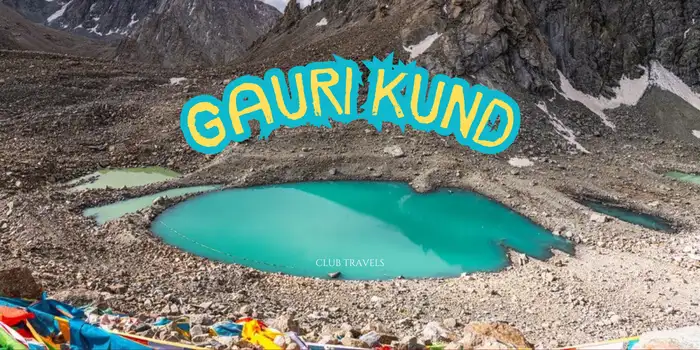
Gauri Kund is a small yet deeply revered water body located near the Adi Kailash region in Uttarakhand. Though modest in size, its spiritual importance is immense. The kund is believed to be associated with Goddess Parvati (also known as Gauri), symbolizing purity, devotion, and divine feminine energy.
Key Information About Gauri Kund
- Location: Near Adi Kailash peak, Jolingkong region, Uttarakhand
- Altitude: High-altitude Himalayan zone (approx. 4,500+ meters)
- Religious Belief: Associated with Goddess Parvati
- Spiritual Practice: Prayer, meditation, quiet reflection
- Water Type: Natural mountain-fed water body
- Accessibility: Short walk from Adi Kailash base area
Gauri Kund is not a large lake or dramatic landscape — it is peaceful, quiet, and deeply personal. Pilgrims believe that Goddess Parvati once meditated in this sacred Himalayan region, and the kund is considered a symbol of her spiritual presence.
The water remains icy cold throughout most of the year, fed by nearby glaciers and mountain streams. Many devotees touch the water respectfully or offer prayers beside it, believing the act brings blessings and inner clarity.
What truly defines Gauri Kund is the silence around it. There are no loud chants, no heavy crowds — just the sound of wind moving through the mountains and the distant presence of Adi Kailash. The calm surroundings create a natural space for meditation and self-reflection.
For Indian pilgrims, Gauri Kund represents devotion and sacred purity.
For international travelers, it offers a rare moment of Himalayan stillness — raw, untouched, and spiritually powerful.
In the middle of rugged mountains, Gauri Kund feels like a gentle pause — a reminder that even in the harshest landscapes, peace quietly exists.
Panch Kailash Yatra – The Five Sacred Abodes of Lord Shiva
In Hindu tradition, there are five sacred mountains associated with Lord Shiva, collectively known as Panch Kailash. Each of these peaks holds deep spiritual value and represents a unique form of divine energy. Completing the Panch Kailash Yatra is considered one of the most spiritually rewarding journeys for Shiva devotees.
Let’s understand each Kailash in detail:
1. Mount Kailash – The Eternal Abode of Shiva
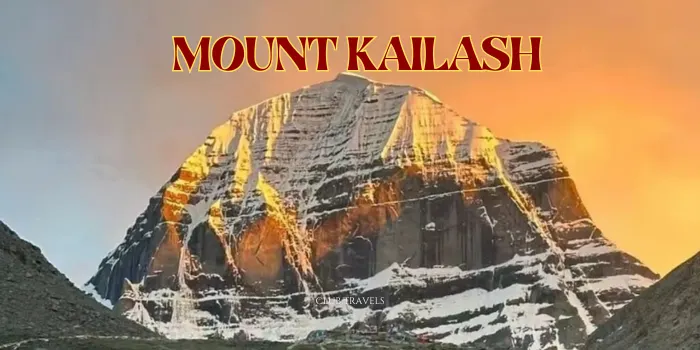
- Location: Tibet Autonomous Region, China
- Altitude: Approx. 6,638 meters
- Sacred To: Hindus, Buddhists, Jains, and Bon followers
- Famous For: Kailash Parikrama (circumambulation trek of 52 km)
Mount Kailash is believed to be the original and eternal residence of Lord Shiva and Goddess Parvati. According to Hindu scriptures, this is where Shiva sits in deep meditation. The mountain is unique because it has never been climbed — out of respect for its spiritual significance.
Pilgrims perform the Kailash Parikrama, a physically demanding high-altitude trek believed to cleanse sins and bring spiritual liberation. For many devotees, completing this yatra once in a lifetime is a dream.
2. Adi Kailash – Chhota Kailash of Uttarakhand
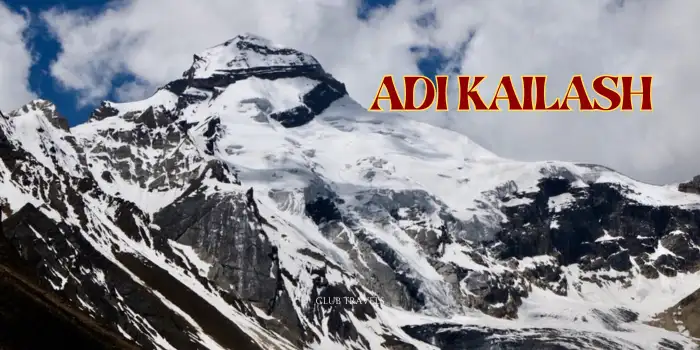
- Location: Pithoragarh district, Uttarakhand, India
- Altitude: Approx. 5,945 meters
- Also Known As: Chhota Kailash
- Part of: Adi Kailash & Om Parvat Yatra circuit
Adi Kailash is considered a divine reflection of Mount Kailash within India. Devotees believe that Lord Shiva manifested here to bless followers who could not travel to Tibet. The journey includes sacred sites like Om Parvat, Parvati Lake, and Gauri Kund.
Compared to Mount Kailash, Adi Kailash is more accessible but still spiritually powerful. Many pilgrims describe the energy here as deeply calming and personal.
3. Kinnaur Kailash – The Vertical Shiva Lingam

- Location: Kinnaur district, Himachal Pradesh
- Altitude: Approx. 6,050 meters
- Famous For: A 79-foot vertical rock formation resembling a Shivling
Kinnaur Kailash is known for its dramatic rock pillar that changes color throughout the day due to sunlight reflection. The challenging trek to this sacred rock formation is undertaken by physically fit devotees.
Locals believe that Lord Shiva and Goddess Parvati spend winters here. The spiritual atmosphere, combined with rugged Himalayan beauty, makes it a powerful pilgrimage.
4. Manimahesh Kailash – The Jewel of the Mountains

- Location: Chamba district, Himachal Pradesh
- Altitude: Approx. 5,653 meters
- Sacred Lake: Manimahesh Lake
Manimahesh Kailash is associated with a sacred lake where thousands of pilgrims gather during the annual Manimahesh Yatra. It is believed that Lord Shiva created this lake, and taking a holy dip here is considered highly auspicious.
The reflection of the peak in the lake is considered a divine blessing. This yatra is shorter compared to other Kailash journeys but equally sacred.
5. Shrikhand Kailash – The Most Challenging Kailash
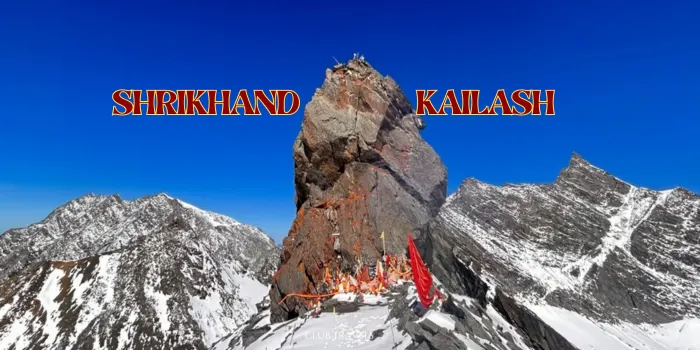
- Location: Kullu district, Himachal Pradesh
- Altitude: Approx. 5,227 meters
- Famous For: Difficult high-altitude trek
Shrikhand Kailash is known as one of the toughest pilgrimage treks in India. The journey involves steep climbs, glaciers, rocky terrain, and unpredictable weather.
At the top stands a massive natural Shivling-shaped rock. Completing this trek requires strong physical endurance and mental determination. Devotees believe that only those truly blessed by Lord Shiva can complete this yatra.
Spiritual Importance of Panch Kailash Yatra
Each Kailash represents a different aspect of divine energy — meditation, strength, purity, endurance, and devotion.
Completing all five Kailash yatras is considered extremely sacred among devotees. It symbolizes:
- Spiritual purification
- Liberation from karmic cycles
- Deep connection with Lord Shiva
- Ultimate faith and surrender
While very few people complete all five in a lifetime, even visiting one Kailash is considered a powerful blessing.
For Indian pilgrims, Panch Kailash is a path of devotion.
For international spiritual seekers, it is one of the most extraordinary Himalayan faith journeys in the world.
How to Reach Adi Kailash from Delhi
Route Overview:
Delhi → Kathgodam → Pithoragarh → Dharchula → Gunji → Jolingkong (Adi Kailash)
Option 1: By Road
Drive from Delhi to Kathgodam (approx. 7–8 hours). Continue by SUV toward Pithoragarh and Dharchula. After Dharchula, only high-clearance vehicles are allowed.
Option 2: By Train
Delhi to Kathgodam by overnight train. From Kathgodam, continue by road.
Option 3: By Air
Fly from Delhi to Pantnagar Airport. Then travel by road to Pithoragarh and onward.
Luxury travelers usually prefer:
- Private SUV (Innova Crysta / kia)
- Premium hotels in Pithoragarh & Dharchula
- Well-planned acclimatization stops
How to Reach Adi Kailash from Kathgodam
Kathgodam is the nearest major railway station.
Distance to Dharchula: Approx. 300+ km
Travel time: 10–12 hours by road
From Dharchula:
- Inner Line Permit verification
- Travel via Tawaghat, Gunji, and Nabi village
- Final stretch toward Jolingkong by 4×4 vehicle
Road conditions improve every year but remain mountainous and adventurous.
Best Time to Visit Adi Kailash
The yatra season is generally from May to October.
Best months:
- May & June – Clear skies, pleasant weather
- September – Post-monsoon clarity, beautiful mountain views
Avoid:
- Heavy monsoon (July–August landslides possible)
- Winter (November–April – roads closed due to snow)
For 2026, early booking is recommended as permits are limited.
Travel Tips for Adi Kailash Yatra 2026
- Carry government ID and passport (mandatory for permits)
- Foreign nationals must apply for Inner Line Permit
- Pack warm layers even in summer
- Acclimatize properly to avoid altitude sickness
- Keep basic medicines
- Network connectivity is limited
- Respect local culture and border security rules
For luxury travelers:
- Choose experienced operators
- Ensure oxygen cylinders are available
- Opt for comfortable stays in Dharchula & Gunji
- Keep buffer days in your itinerary
Adi Kailash Yatra Departure Dates 2026
| Dates, 2026 | Special Day |
| 24 May 2026- 28 May 2026 | Padmini Ekadashi at Adi Kailash |
| 28 May 2026 – 01 June 2026 | Vrat Purnima at Om Parvat |
| 01 June 2026 – 05 June 2026 | Ganesh Chaturthi at Om Parvat |
| 05 June 2026 – 09 June 2026 | Kalaashtami at Adi Kailash |
| 09 June 2026 – 13 June 2026 | Pradosh Vrat at Adi Kailash |
| 13 June 2026 – 17 June 2026 | Surya Sankranti at Om Parvat |
| 17 June 2026 – 21 June 2026 | Mahesh Navami |
| 21 June 2026 – 25 June 2026 | Shiv Pujan at Om Parvat |
| 25 June 2026 – 29 June 2026 | Vrat Purnima at Om Parvat |
| 29 June 2026 – 3 July 2026 | Ganesh Chaturthi at Om Parvat |
| 19 September 2026 – 23 September 2026 | Parivartani Ekadashi at Om Parvat |
| 23 September 2026 – 27 September 2026 | Purnima at Adi Kailash |
| 27 September 2026 – 01 October 2026 | Shiv – Kartik Pujan at Adi Kailash |
| 01 October 2026 – 05 October 2026 | Kalaashtami at Adi Kailash |
| 05 October 2026 – 09 October 2026 | Masik Shivratri at Adi Kailash |
| 09 October 2026 – 13 October 2026 | Navratri at Om Parvat |