
South India is a world unto itself — a tapestry of ancient temples, lush rainforests, tranquil backwaters, misty hill stations, vibrant festivals, and some of the most flavourful cuisine on earth. Unlike the beaten tourist trails of North India, the south rewards the curious traveller with authenticity, warmth, and extraordinary diversity. From the Dravidian temple towers of Tamil Nadu to the coffee-scented hills of Coorg, from the colonial charm of Pondicherry to the backwater serenity of Kerala — every month of the year offers a unique and unforgettable experience. This guide is crafted specifically for foreign travellers, mapping out the perfect destination for each month based on weather, festivals, natural beauty, and cultural richness. Pack your bags — South India is waiting.
January: Mahabalipuram & Chennai, Tamil Nadu
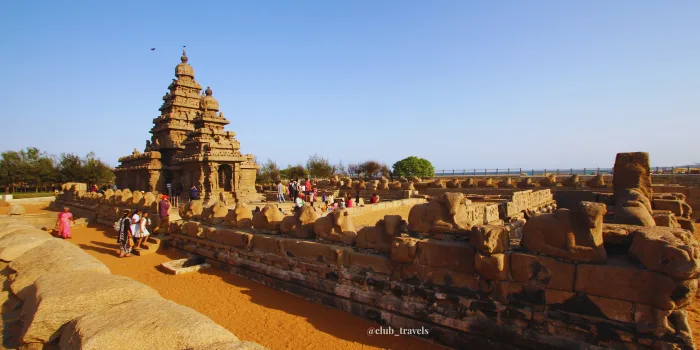
Best Weather: Pleasant & Cool (24–30°C)
Top Highlights
- Discover the architectural brilliance of Mahabalipuram, home to the UNESCO-listed Shore Temple and remarkable 7th–8th century rock-cut cave temples carved during the Pallava dynasty. Overlooking the Bay of Bengal, this ancient coastal town is considered one of South India’s most impressive heritage destinations and a must-visit for history lovers.
- In nearby Chennai, a refreshing walk along Marina Beach offers sweeping sea views and vibrant local life. As the second-longest urban beach in the world, Marina Beach is especially beautiful at sunrise, making it perfect for photography and relaxed coastal experiences.
- The spiritual essence of Chennai comes alive at Kapaleeshwarar Temple, a magnificent example of Dravidian architecture dedicated to Lord Shiva. Its colorful gopuram, intricate carvings, and centuries-old traditions provide deep insight into Tamil culture and temple heritage.
- A short drive inland leads to Kanchipuram, famously known as the “City of Thousand Temples.” Renowned for its sacred shrines and world-famous Kanchipuram silk sarees, this historic city is one of India’s seven holy pilgrimage centers and an essential stop on any Tamil Nadu temple tour.
- With dry weather, comfortable temperatures, and clear blue skies, January stands out as the best time to explore Chennai, Mahabalipuram, and Kanchipuram. The pleasant climate enhances sightseeing, temple visits, and outdoor exploration — making it an ideal season for South India cultural tour packages.
Travel Tip: Book hotels in advance. Lightweight cotton clothes recommended. Try filter coffee and idli-sambar for breakfast!
Must Eat: Chettinad Chicken Curry, Idli-Sambar, Pongal, Filter Coffee
February: Hampi, Karnataka
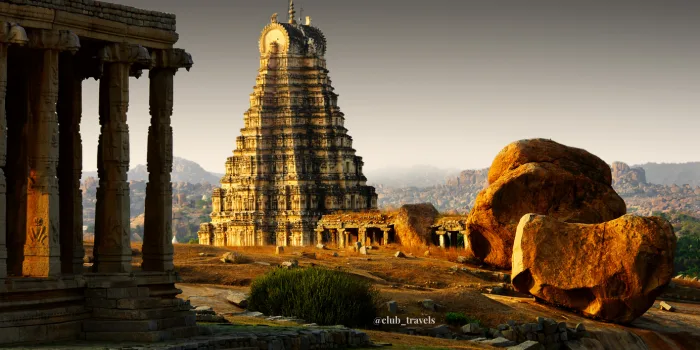
Best Weather: Warm & Dry (25–33°C)
Top Highlights
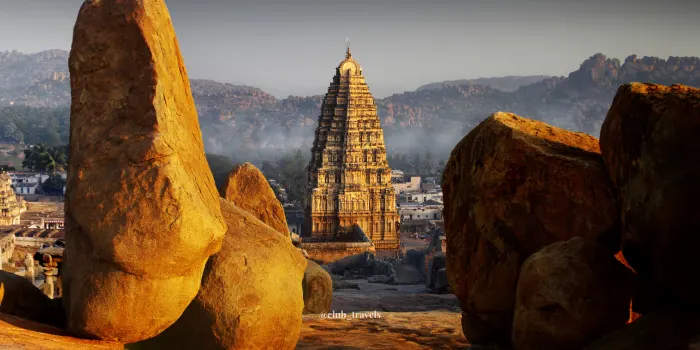
- Explore the magnificent ruins of Hampi, the former capital of the Vijayanagara Empire and now a UNESCO World Heritage Site spread across nearly 26 square kilometers. Scattered among surreal boulder formations, the ancient temples, market streets, and royal structures make Hampi one of India’s most spectacular archaeological landscapes.
- For panoramic sunrise views, head up Matanga Hill, the highest point in the region. From the summit, golden light washes over the Tungabhadra River, temple towers, and rocky terrain — creating a breathtaking start to the day.
- Spiritual life continues at the historic Virupaksha Temple, dedicated to Lord Shiva and active for more than 1,500 years. Its towering gopuram and intricate carvings reflect the architectural brilliance of the Vijayanagara period while remaining a living place of worship.
- To experience the royal legacy more closely, rent a bicycle and explore the vast Royal Enclosure complex. Architectural highlights include the elegant Lotus Mahal, known for its unique Indo-Islamic style, and the grand Elephant Stables, once used to house the empire’s ceremonial elephants.
- With comfortable temperatures and clear skies, February offers ideal conditions for sightseeing before the summer heat intensifies. The pleasant weather makes heritage walks, cycling tours, and sunrise hikes in Hampi especially enjoyable for travelers exploring Karnataka.
Travel Tip: Stay in Hampi Bazaar or across the river in Virupapur Gadde for a hippie vibe. Carry sunscreen.
Must Eat: Banana Pancakes (local cafes), Bisi Bele Bath, Dosas with coconut chutney
March: Alleppey (Alappuzha), Kerala
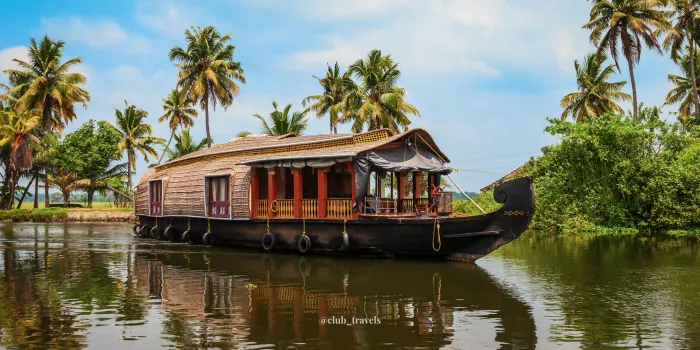
Best Weather: Warm & Humid (28–34°C)
Top Highlights
- Sail through the tranquil waterways of Alleppey (also known as Alappuzha) on a traditional Kerala houseboat — one of the most iconic South India travel experiences. Drifting along palm-lined canals, coconut groves, and quiet villages offers a slow, immersive way to discover the charm of Kerala’s backwaters.
- At the heart of this network lies the breathtaking Punnamada Lake, famous for its vast stretch of water framed by lush green paddy fields. The peaceful setting, especially during sunrise and sunset, creates picture-perfect moments for photographers and nature lovers exploring Kerala tour packages.
- Beyond the backwaters, Alleppey Beach invites visitors to unwind by the Arabian Sea. Its historic pier, dating back over a century, adds a nostalgic touch and offers beautiful coastal views.
- For a deeper cultural connection, visiting nearby fishing communities provides insight into traditional livelihoods. Along the waterways, you can still see fishermen operating Chinese fishing nets — a centuries-old technique that reflects Kerala’s maritime heritage.
- With pleasant temperatures and relatively low humidity, March is an excellent time to explore Alleppey before the monsoon season begins. Calm waters and clear skies make houseboat cruises, village visits, and beach walks comfortable and enjoyable, making it one of the best months to include Alleppey in your Kerala backwater tour.
Travel Tip: Book houseboats 2–3 months ahead. Negotiate prices. Overnight houseboat stays are magical under the stars.
Must Eat: Kerala Fish Curry, Karimeen Pollichathu (Pearl Spot Fish), Appam with Stew, Toddy (palm wine)
April: Coorg (Kodagu), Karnataka
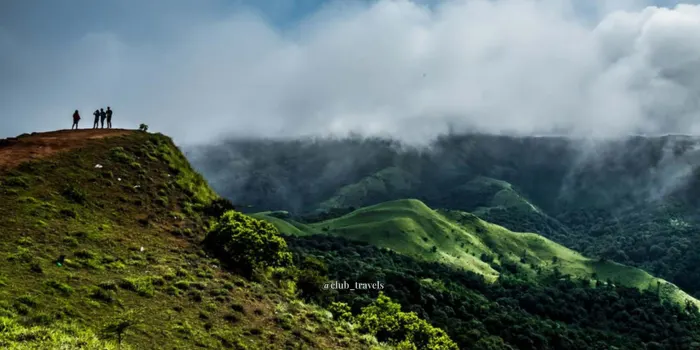
Best Weather: Refreshingly Cool (18–27°C)
Top Highlights
- Experience the refreshing landscapes of Coorg (Kodagu), often called the “Scotland of India,” where rolling hills are covered with lush coffee and spice plantations. The region is renowned for producing some of India’s finest Arabica coffee, and guided plantation walks offer insight into traditional cultivation methods while immersing you in fragrant greenery.
- Nature lovers will be captivated by the cascading beauty of Abbey Falls, surrounded by dense forest and coffee estates. For panoramic sunset views, Raja’s Seat provides sweeping vistas of mist-covered valleys and rolling Western Ghats hills.
- Wildlife enthusiasts can venture into Nagarhole National Park, one of South India’s premier tiger reserves. Jeep safaris here offer opportunities to spot elephants, leopards, deer, and a variety of exotic bird species in their natural habitat.
- A deeper cultural connection awaits at the Kodava Heritage Center, where visitors can learn about the unique traditions, warrior history, and distinctive attire of the Kodava community.
- With refreshing pre-monsoon showers keeping the hills cool and vibrant, April is an excellent time to visit Coorg. The pleasant climate enhances plantation treks, wildlife safaris, and scenic viewpoints, making it a perfect addition to any Karnataka or South India tour package.
Travel Tip: Stay at a coffee estate homestay for an authentic experience. Carry a light jacket for evenings.
Must Eat: Pandi Curry (Pork Curry), Kadambuttu (rice dumplings), Coorg honey and fresh coffee
May: Ooty & Nilgiri Hills, Tamil Nadu
Best Weather: Cool & Pleasant (12–22°C)
Top Highlights
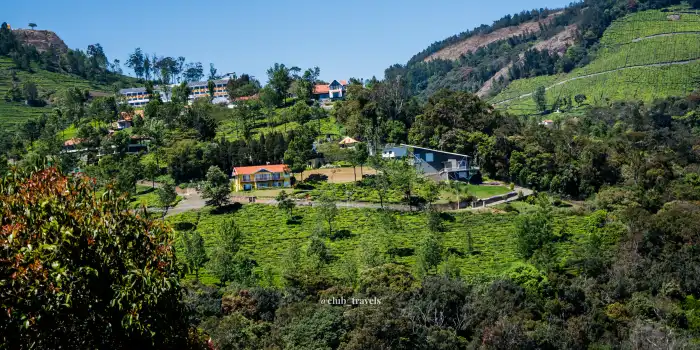
- Journey into the scenic hills of Ooty, one of South India’s most beloved hill stations, where cool mountain air and rolling tea estates offer a refreshing escape from the heat of the plains.
- A highlight of any Ooty tour is the ride on the legendary Nilgiri Mountain Railway, a UNESCO World Heritage-listed toy train that winds through misty valleys, dense forests, and lush tea gardens. The slow-paced journey across bridges and tunnels provides spectacular views of the Nilgiri Hills.
- Towering above the region, Doddabetta Peak stands at 2,637 meters, making it the highest point in the Nilgiris. From the summit, panoramic vistas stretch across emerald hills and distant plains, creating an unforgettable mountain experience.
- Nature enthusiasts can wander through the historic Government Botanical Gardens, established in 1848. Spread across beautifully landscaped terraces, the gardens feature exotic plant species, vibrant flower beds, and a fossilized tree trunk believed to be millions of years old.
- Cultural exploration adds another dimension to your visit with a glimpse into traditional Toda communities living in the Nilgiris. Their distinctive barrel-shaped homes and rich heritage offer valuable insight into one of South India’s oldest indigenous cultures.
- While much of India experiences intense summer heat, Ooty remains pleasantly cool due to its high-altitude location. The refreshing climate makes it an ideal summer retreat and a must-include destination in South India hill station tour packages.
Travel Tip: Ooty gets crowded in May. Book well ahead. Evenings are cold — carry a warm layer.
Must Eat: Ooty varkey (biscuit), homemade chocolate, fresh strawberries, Nilgiri tea
June: Wayanad, Kerala
Best Weather: Monsoon Magic (22–28°C)
Top Highlights
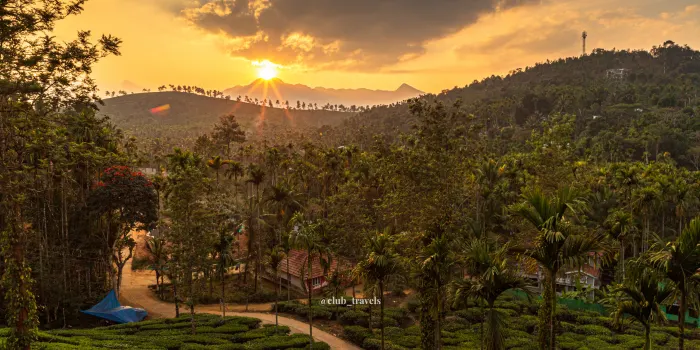
- During the monsoon season, the landscapes of Wayanad transform into a breathtaking canvas of deep emerald forests, mist-covered hills, and flowing waterfalls. Nestled in the Western Ghats, this region becomes one of South India’s most spectacular monsoon destinations for nature lovers.
- Adventure seekers can challenge themselves with a trek to Chembra Peak, rising about 2,100 meters above sea level. Near the summit lies a naturally formed heart-shaped lake, one of Wayanad’s most iconic sights. The panoramic views of rolling hills and drifting clouds make the climb truly rewarding.
- History enthusiasts should not miss the fascinating Edakkal Caves, known for prehistoric rock carvings believed to be over 6,000 years old. These ancient petroglyphs offer rare insight into early human settlements in the region.
- Adding to the scenic charm, Banasura Sagar Dam stands as one of India’s largest earthen dams. Surrounded by misty hills and small islands formed by the reservoir, it provides a peaceful setting for boating and photography during the rainy season.
- With waterfalls at their fullest and forests bursting with life, monsoon tourism in Wayanad offers an unforgettable experience for travelers seeking offbeat Kerala adventures. The cool climate, dramatic landscapes, and lush greenery make it a dream destination for trekking enthusiasts and waterfall explorers alike.
Travel Tip: Carry waterproof gear and leech socks for treks. Leeches are active during monsoon — part of the adventure!
Must Eat: Bamboo Rice, Puttu & Kadala Curry, Wild honey from tribal communities
July: Madurai, Tamil Nadu
Best Weather: Warm & Humid (28–35°C)
Top Highlights
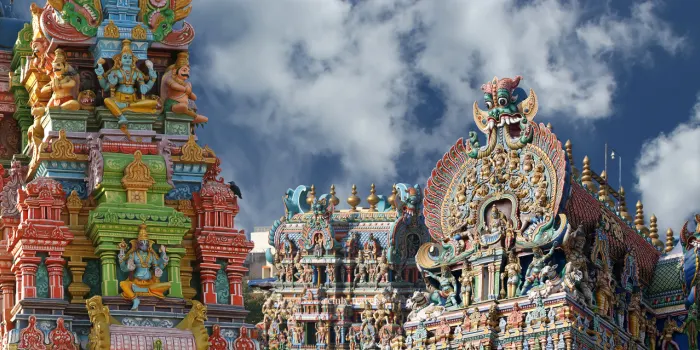
- Discover the spiritual heart of Tamil Nadu in Madurai, one of India’s oldest continuously inhabited cities. Dominating the skyline is the magnificent Meenakshi Amman Temple, a true masterpiece of Dravidian architecture. The temple complex features 14 towering gopurams covered with thousands of vividly painted sculptures depicting deities, mythological scenes, and intricate carvings that reflect centuries of devotion and craftsmanship.
- As night falls, the atmosphere becomes deeply spiritual during the traditional evening Aarti ceremony held around 9 PM. Chanting, temple music, lamps, and ritual processions create a powerful and immersive cultural experience that leaves a lasting impression on visitors.
- A short distance away stands the grand Thirumalai Nayakkar Mahal, a 17th-century palace showcasing a striking blend of Dravidian and Islamic architectural influences. Its massive pillars, elegant arches, and spacious courtyard offer insight into Madurai’s royal legacy.
- Beyond monuments and temples, the vibrant local markets reveal the city’s living traditions. Strolling through Madurai’s bustling streets, you’ll find fragrant jasmine garlands, colorful turmeric piles, and beautifully woven silk fabrics — all reflecting the region’s rich cultural heritage.
- With fewer crowds compared to peak season, July offers a quieter yet authentic travel experience. Occasional local festivals during this period add cultural depth, making it an ideal time for travelers seeking spiritual exploration and immersive South India cultural tours.
Travel Tip: Dress modestly for temple visits — cover shoulders and legs. Visit temples early in the morning to avoid crowds.
Must Eat: Jigarthanda (iconic local cold drink), Kari Dosai, Madurai Idiyappam, Mutton Biryani
August: Thrissur, Kerala
Best Weather: Monsoon & Festive (25–30°C)
Top Highlights
- Celebrate the vibrant spirit of Kerala in Thrissur, especially during the grand festival of Onam, the state’s most important harvest celebration. Marked by colorful pookalam (flower rangoli), thrilling snake boat races, traditional music, and elaborate Onam sadya feasts served on banana leaves, this festival transforms Kerala into a cultural spectacle filled with joy and community spirit.
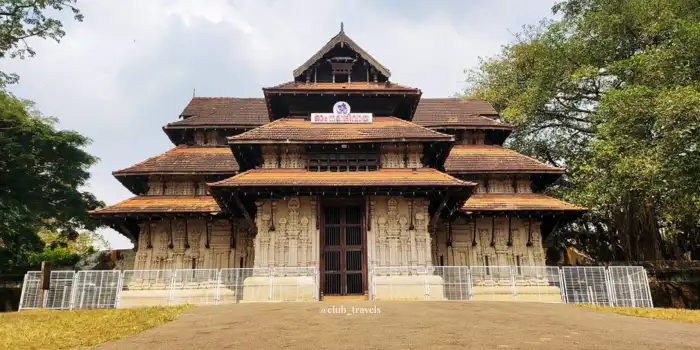
- At the heart of Thrissur stands the historic Vadakkunnathan Temple, one of the oldest and most revered temples in Kerala. Dedicated to Lord Shiva, the temple’s classic Kerala-style architecture, mural paintings, and spiritual ambiance make it a significant pilgrimage and heritage site.
- Adding to the festive excitement, the streets of Thrissur come alive with Pulikali, the famous tiger dance performance unique to this region. Artists painted as tigers dance rhythmically to traditional percussion, creating a lively and unforgettable visual display during Onam celebrations.
- For travelers interested in Kerala’s classical performing arts, a visit to Kerala Kalamandalam offers deep insight into traditional art forms like Kathakali and Mohiniyattam. As India’s premier institution for classical dance and theatre, it plays a vital role in preserving Kerala’s artistic heritage.
- August is culturally one of the richest months to explore Kerala. With Onam celebrations uniting communities across the state, vibrant traditions, temple festivities, and artistic performances create an immersive travel experience ideal for cultural tourism in South India.
Travel Tip: Book accommodations months ahead during Onam. Don’t miss the Onam Sadhya — a 26-dish banana leaf feast.
Must Eat: Onam Sadhya (the full meal), Payasam (kheer), Ada Pradhaman (dessert)
September: Pondicherry (Puducherry)
Best Weather: Warm & Partly Rainy (26–32°C)
Top Highlights
- Experience the laid-back charm of Puducherry, where French colonial heritage blends beautifully with Indian culture. Walking through the historic French Quarter, also known as Ville Blanche, reveals mustard-yellow villas, bougainvillea-draped streets, elegant churches, and cozy French cafés that give this coastal town its distinct European flair.
- A sense of tranquility awaits at the renowned Sri Aurobindo Ashram, a spiritual retreat that attracts seekers from across the world. Founded on the teachings of Sri Aurobindo and The Mother, the ashram offers a peaceful environment for meditation and reflection in the heart of the city.
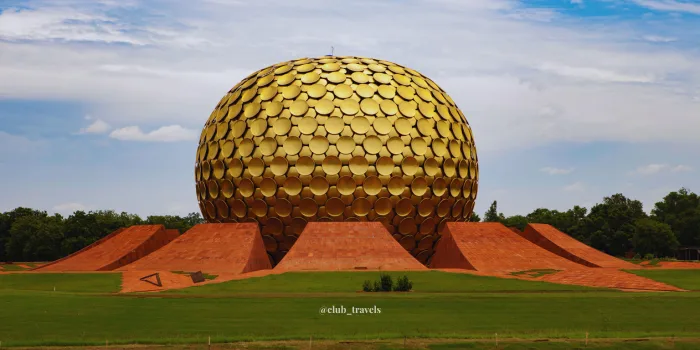
- Just a short drive away lies Auroville, an experimental international township established on the principles of human unity and sustainable living. Visitors can explore its serene surroundings, innovative communities, and the iconic Matrimandir viewing area, which symbolizes collective harmony.
- Along the coastline, Promenade Beach provides the perfect setting for leisurely walks and sunrise views over the Bay of Bengal. Early mornings here are especially magical, with gentle sea breezes and golden light reflecting off the water.
- With fewer crowds compared to peak tourist months, September offers a relaxed and peaceful travel experience. Pleasant weather conditions make it an ideal time for slow exploration, café hopping, spiritual retreats, and coastal relaxation in Puducherry.
Travel Tip: Pondicherry is alcohol-friendly unlike most of Tamil Nadu — French restaurants serve wine affordably.
Must Eat: French Crepes, Banana Crepes, Bouillabaisse, Seyal Idli, Pondicherry Lobster
October: Mysuru (Mysore), Karnataka
Best Weather: Pleasant & Festive (20–28°C)
Top Highlights
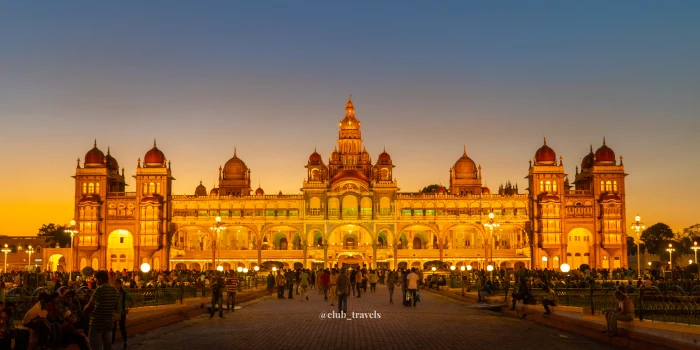
- Every October, the royal city of Mysore transforms into a dazzling cultural stage during the world-famous Mysore Dasara celebrations. Recognized as one of India’s grandest festivals, Dasara (Navaratri) brings processions, traditional music, and vibrant performances to the streets. The highlight of the festival is the breathtaking illumination of Mysore Palace, where nearly 100,000 bulbs light up the royal façade each evening, creating a magical spectacle.
- A visit to Mysore would be incomplete without touring the magnificent Mysore Palace itself. Known for its Indo-Saracenic architecture, ornate interiors, stained glass ceilings, and royal artifacts, the palace ranks among the most visited monuments in India and stands as a symbol of Karnataka’s regal heritage.
- Rising above the city, the sacred Chamundeshwari Temple sits atop Chamundi Hills, offering panoramic views of Mysore’s skyline. Pilgrims and travelers alike climb the hill to seek blessings and enjoy sweeping vistas of the illuminated city below.
- For a relaxing evening experience, head toward the beautifully landscaped Brindavan Gardens, famous for its symmetrical design and musical fountain shows. After sunset, synchronized lights and water displays create a lively yet elegant atmosphere.
- With pleasant post-monsoon weather and festive energy filling the air, October is undoubtedly the best time to visit Mysore. The combination of cultural grandeur, royal heritage, and illuminated landmarks makes Dasara season the most spectacular period to include Mysore in your South India tour package.
Travel Tip: Book 6 months in advance for Dasara period. The golden chariot procession on Vijayadashami is unmissable.
Must Eat: Mysore Pak (sweet), Mysore Masala Dosa, Curd Rice, Chiroti
November: Hampi to Gokarna Coast, Karnataka
Best Weather: Perfect (24–30°C)
Top Highlights
- Following your exploration of Hampi, continue north toward the peaceful coastal town of Gokarna, a destination where spirituality meets unspoiled beaches. Known both as a sacred pilgrimage center and a laid-back seaside retreat, Gokarna offers a quieter alternative to Goa while preserving its traditional charm.
- Adventure seekers can enjoy a scenic coastal trek linking Om Beach, Half Moon Beach, and Paradise Beach. The trail winds along dramatic cliffs and hidden coves, rewarding hikers with panoramic Arabian Sea views and peaceful swimming spots.
- Spiritual travelers are drawn to the centuries-old Mahabaleshwar Temple, an important Hindu pilgrimage site dedicated to Lord Shiva. Its traditional Dravidian architecture and sacred atmosphere add deep cultural significance to any Karnataka itinerary.
- As evening approaches, Kudle Beach becomes the perfect setting for relaxation. Camping under a starlit sky, gathering around bonfires, and enjoying acoustic music create a memorable coastal experience ideal for backpackers and international travelers.
- With the monsoon season ending in November, the surrounding landscape appears lush and vibrant. Calm seas, clear skies, and comfortable temperatures make this month one of the best times to include Gokarna in your South India tour package.
Travel Tip: Gokarna is far more peaceful than Goa. Perfect for backpackers and spiritual travelers. Carry cash — ATMs are sparse.
Must Eat: Fresh Grilled Seafood, Malvani Fish Curry, Banana Lassi, Coconut Water
December: Kochi (Cochin) & Munnar, Kerala
Best Weather: Cool & Perfect (15–28°C)
Top Highlights
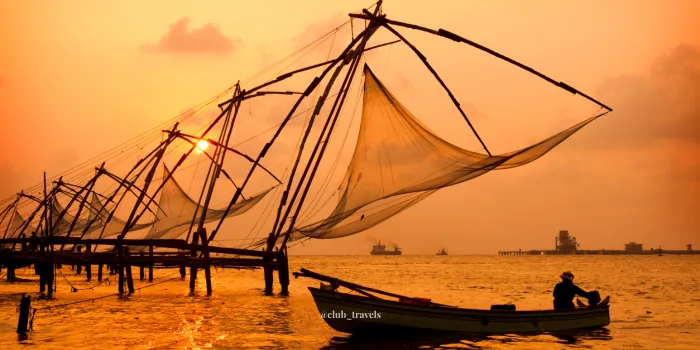
- Step into the historic charm of Fort Kochi, where colonial architecture, spice markets, and seaside promenades reflect centuries of Portuguese, Dutch, and British influence. The iconic Chinese fishing nets along the waterfront create one of Kerala’s most photographed scenes, while heritage landmarks like Mattancherry Palace and the centuries-old Paradesi Synagogue highlight the city’s multicultural legacy.
- During December, the festive spirit transforms Kochi into a vibrant celebration hub. As one of India’s largest Christian communities resides here, Christmas decorations, midnight mass services, and lively street events create an unforgettable cultural experience for international travelers exploring Kerala.
- A scenic drive from Kochi leads to the rolling hills of Munnar, a breathtaking hill station known for endless tea plantations and cool mountain air. Mist-covered valleys, peaceful plantation walks, and visits to Eravikulam National Park offer opportunities to witness rare wildlife and panoramic viewpoints.
- For a deeper cultural connection, experiencing a live Kathakali performance is highly recommended. Elaborate costumes, expressive makeup, and dramatic storytelling make this classical dance-drama one of Kerala’s most captivating artistic traditions.
- With clear skies, comfortable temperatures, and a festive atmosphere, December stands out as the ideal time to visit Kochi and Munnar. The pleasant weather enhances sightseeing, photography, wildlife exploration, and cultural experiences — making it peak season for Kerala tour packages.
Travel Tip: Book early for December — prices spike during Christmas and New Year. Combine Kochi with a backwater trip.
Must Eat: Kerala Christmas Plum Cake, Puttu & Kerala Beef Fry, Malabar Prawn Biryani, Banana Fritters
Essential Tips for Foreign Travellers in South India
- Visa: Most foreign nationals need a Tourist e-Visa (eTV), which can be applied online at indianvisaonline.gov.in. 30-day, 90-day, and 1-year options are available.
- Currency: Indian Rupee (INR). Carry cash for temples, local markets, and rural areas. ATMs are available in cities but scarce in remote areas.
- Transportation: India has an extensive railway network — book tickets at irctc.co.in. For flexibility, hire a driver or use app-based cabs like Ola and Uber in cities.
- Health: Drink only bottled or filtered water. Carry prescribed malaria prophylaxis for jungle/rural areas. Travel insurance is strongly recommended.
- Dress Code: Dress modestly, especially at temples. Cover shoulders and legs. Footwear must be removed before entering any temple or mosque.
- Language: Each state has its own language — Tamil, Kannada, Telugu, and Malayalam. English is widely spoken in tourist areas. Learning a few local words wins hearts.
- Safety: South India is generally very safe for tourists, including solo women travelers. Use common sense, especially at night in remote areas.
- Food Allergies: South Indian food is predominantly vegetarian but meat is widely available. Specify dietary restrictions clearly — most restaurants are accommodating.
South India isn’t just a destination. It’s an experience that changes you.